Introduction
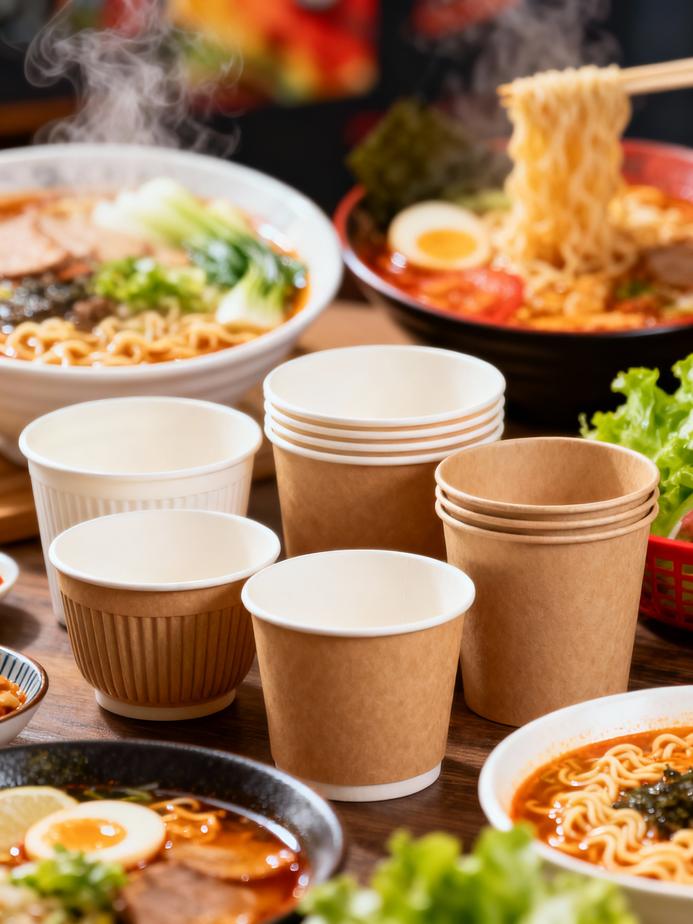
Paper ramen bowls are revolutionizing the way businesses deliver hot meals while adhering to eco-friendly practices. With their unique material properties, innovative designs, and sustainable features, they provide a perfect solution for restaurants, foodservice, and catering businesses. This article will delve into the essential characteristics of these bowls, highlight the latest design innovations, discuss their impact on sustainability, and review market trends shaping consumer preferences. Understanding these facets will empower business owners to make informed decisions when choosing paper ramen bowls to efficiently meet their needs.
Tables of Contents
Chapter 1: Harnessing the Power of Paper: Moisture and Heat Resistance in Ramen Bowls
- Enhancing Culinary Experiences with Moisture and Heat Resistance in Paper Ramen Bowls
- The Environmental Footprint and Sustainable Attributes of Paper Ramen Bowls
Chapter 2: Pioneering Eco-Conscious Solutions in Paper Ramen Bowl Design
- Innovative Eco-Friendly Materials in Paper Ramen Bowl Design Advancements
- Pioneering Functional Design: Elevating Paper Ramen Bowls for Environmental Sustainability
Chapter 3: Harnessing Renewable Resources: The Eco-Friendly Foundations of Paper Ramen Bowls
- Renewable Material Innovations: The Heart of Sustainable Paper Ramen Bowls
- Compostable Innovations and Plastic Reduction in Paper Ramen Bowls
Chapter 4: Navigating the Future: How Technology and Economics Shape the Landscape of Paper Ramen Bowls
- Innovations and Market Dynamics Driving Consumer Choices in Paper Ramen Bowls
- Navigating Sustainability and Localization in Consumer Preferences for Paper Ramen Bowls
Chapter 1: Harnessing the Power of Paper: Moisture and Heat Resistance in Ramen Bowls

1. Enhancing Culinary Experiences with Moisture and Heat Resistance in Paper Ramen Bowls
Paper ramen bowls have revolutionized the dining experience, particularly in takeaway settings, by providing an eco-friendly solution that does not compromise on performance. Understanding the moisture and heat resistance of these bowls is crucial to appreciate their design and functionality. In this discussion, we will delve into how various materials and coatings enable these bowls to maintain their structural integrity, ensuring that culinary creations can be enjoyed as intended, whether they are served hot or cold.
At the core of a ramen bowl’s performance lies its uncanny ability to resist moisture. This is primarily achieved through internal coatings designed to repel liquids. The most common of these coatings include polyethylene (PE) and polylactic acid (PLA). PE serves as a traditional barrier against liquid penetration, effectively preventing sogginess while maintaining the bowl’s shape and usability even when filled with steaming broth. On the other hand, PLA, a biopolymer made from renewable sources like corn starch, offers an eco-friendlier approach. Although it provides a level of moisture resistance, PLA falls short compared to PE, particularly in high-temperature settings.
The importance of moisture resistance cannot be overstated, especially for dishes like ramen where broth is a fundamental component. Given their substantial liquid content, it is essential for the packaging to remain leak-proof. PE-coated bowls excel here, effectively sidestepping the disaster of soggy paper while ensuring that customers experience the rich flavors and wholesome warmth of their meals. The structure is reinforced by the inherent qualities of kraft paper, which is composed of strong wood fibers designed to withstand contact with wet items without deteriorating.
Heat resistance is another crucial property that defines the effectiveness of these bowls. PE-coated paper bowls can tolerate temperatures of up to 212°F (100°C), making them well-suited for serving boiling hot ramen and other savory stews. This high-temperature tolerance not only ensures that the food inside the bowl remains hot for longer periods but also helps in enhancing the overall taste experience. When diners can consume their soups at their intended temperature, they are more likely to enjoy the full spectrum of flavors.
Conversely, PLA-coated bowls typically have a lower heat tolerance, with standing temperatures of only up to about 120°F (49°C). This limitation is exacerbated when the bowls are in prolonged contact with humidity or high heat, where the integrity of the bowl may degrade. Thus, while PLA serves as a commendable environmentally friendly alternative, it does have its drawbacks concerning application in heated scenarios.
In assessing the construction of these paper bowls, thickness and strength ratings are pivotal. Utilizing thicker paperboard—generally in the range of 70 to 90 lb—paired with wet-strength ratings between 30 to 40 points significantly contributes to their capability to handle both hot and wet contents. For ramen, the ability to contain rich, broth-filled noodles without compromising the bowl’s structure is vital. This design enables restaurants and takeout services to offer dishes confidently, knowing that the containers will withstand the rigors of transporting hot meals.
Alternative options for paper bowls include molded fiber bowls made from recycled pulp. While these options provide natural sturdiness, they may require the addition of food-safe sealants to improve moisture resistance. Molded fiber bowls tend to be a bit heavier and generally have a rougher texture compared to their coated paper counterparts, which may not always be desirable in a professional dining context. However, they offer a promising alternative for environmentally conscious settings where sustainability is a core value.
The market applications for moisture and heat-resistant paper ramen bowls extend far beyond simple takeaway services. Restaurants, food trucks, and catering companies can utilize these bowls to enhance customer experience while maintaining high eco-friendly standards. For establishments focused on lowering their carbon footprint, PE-coated kraft bowls represent an optimal choice for serving food items delivered fresh and hot. Their ability to retain heat and resist moisture significantly outperforms basic paper options, allowing businesses to promote a strong commitment to quality and sustainability.
Despite these advantages, it is essential to recognize the limitations that come with using paper bowls. Notably, the microwave safety of most paper bowls—including some PLA-lined variants—is often in question, as they may not withstand the rigorous heating cycles commonly found in many kitchen settings. Additionally, while PE coatings ensure moisture resistance, they can complicate recycling processes. Therefore, it becomes imperative for businesses to verify the specifications of their bowl choices, checking for certifications that confirm compostability or recyclability, such as those provided by the Biodegradable Products Institute (BPI).
In conclusion, the interplay between moisture resistance and heat tolerance is fundamental in determining the suitability of paper ramen bowls for a dynamic culinary landscape. These constructed containers symbolize a harmonious blend of functionality, sustainability, and the need to serve quality meals on the go. As suppliers continue to innovate, the future of paper ramen bowls looks brighter, aligning with ecological consciousness while providing practical solutions that enhance dining experiences. This makes them not only an asset for foodservice but also a dependable choice for environmentally conscious consumers. For those looking to explore a range of customizable options for food packaging, check out various selections available in eco-friendly kraft paper options.
2. The Environmental Footprint and Sustainable Attributes of Paper Ramen Bowls
The growing awareness of environmental issues has driven many industries to reconsider the materials they use, and the food service sector is no exception. Paper ramen bowls have emerged as a pivotal element in this shift toward sustainability, providing an eco-friendly alternative to their plastic counterparts. These bowls, made predominantly from high-quality food-grade paperboard and sustainable materials such as bagasse and kraft paper, are designed for an array of applications while embodying a commitment to reducing waste and pollution.
The core appeal of paper ramen bowls lies in their environmental attributes, which hinge on their material properties and disposal methods. Generally, they are equipped with linings made from materials like polyethylene (PE), wax, or bioplastics such as polylactic acid (PLA). Each of these linings has distinct thermal and ecological implications. For instance, waxed paperboard can withstand temperatures ranging from 180 to 200°F, making it suitable for hot soups. However, it poses challenges because, while recyclable in select facilities, it can generate methane when disposed of in landfills. On the other hand, PE-lined paperboard boasts superior durability, enabling it to withstand temperatures up to 212°F—the optimal heat tolerance necessary for steaming bowls of ramen; yet, its non-compostable nature raises concerns about plastic pollution in waste streams.
In contrast, bagasse—a fibrous byproduct of sugarcane processing—is demonstrating impressive sustainability metrics. With a heat tolerance between 190°F and 200°F, bagasse is not only grease-resistant but also commercially compostable. The same holds true for new developments in molded fiber bowls that further reduce reliance on petroleum-based products, fortifying their position as a green alternative. While PLA-lined bowls exhibit lower heat resistance, reaching only up to 120°F, they are industrially compostable, albeit under specific conditions that are not universally available. A staggering 82% of U.S. communities lack access to facilities equipped to properly compost these materials, which undermines their eco-friendly promise.
Arguably, the true environmental impact of these paper bowls is best assessed through lifecycle analysis—a comprehensive evaluation of every stage, from production to disposal. Studies have shown that when paper bowls are recycled, their lifecycle emissions are approximately 35% lower than those of their polypropylene counterparts. However, this advantage diminishes significantly when paper products end up in landfills, where anaerobic decomposition releases methane—a greenhouse gas more potent than carbon dioxide. The environmental impact is, therefore, not simply predicated on the material; it encompasses the entirety of the system that governs disposal choices in communities.
Notably, compostable options like bagasse and molded fiber do more than serve as food containers; they contribute to soil health when processed in industrial composting facilities, enriching the earth rather than clogging landfills or waterways. In this context, paper ramen bowls become vehicles for alternate models of consumption that lean towards regenerative practices rather than linear waste production. However, the efficacy of this potential is stifled in areas lacking proper composting infrastructure.
Sustainability, thus, must be viewed as a multifaceted challenge that extends far beyond the mere selection of ‘eco-friendly’ materials. Proper disposal protocols, consumer awareness, and access to composting services are essential to maximize the environmental benefits of products like paper ramen bowls. The certifications that assure compostability—such as those granted by the Biodegradable Products Institute (BPI) or ASTM D6400—are necessary for establishing reliable standards. Yet, their presence does not guarantee an equitable uptake of such facilities, raising a critical point about the infrastructure that supports sustainable product use.
A vital consideration is the presence of other toxic materials potentially contaminating paper products, such as per- and polyfluoroalkyl substances (PFAS) or harmful recycled content. The growth of ‘greenwashing’—advertising a product as sustainably sourced or eco-friendly without rigorous backing—can mislead consumers who intend to make environmentally conscious choices. Businesses that supply paper ramen bowls need to navigate these complexities carefully to maintain transparency and integrity.
The push for adopting alternative materials presents opportunities for businesses and consumers alike to support a vision of sustainability. The plant-based options, such as those derived from sugarcane or bamboo fiber, not only require less energy in their production but also eliminate the reliance on problematic plastic linings. Restaurants and takeout services that opt for these materials can promote a stronger ecological ethos and cater to the rising consumer demand for green practices.
In terms of best practices, food service operators should select bowl options that are designed for high-heat applications without compromising their environmental philosophy. For ramen, utilizing bagasse or fiber-molded bowls is preferred for their heat and moisture resistance without resorting to petroleum-derived materials. In concert with policy changes—like the increasing legislation against the use of single-use plastics—such choices can catalyze a larger shift towards sustainable food service practices.
As the industry continues to evolve, understanding the environmental impact of paper ramen bowls will become critical in guiding consumers and businesses toward responsible consumption. The challenge revolves around ensuring that when we choose paper-based products, we also champion infrastructures that foster composting, recycling, and ultimately reducing the waste that accumulates in landfills. In an era where ecological stewardship is paramount, the attributes that underpin the sustainability of paper ramen bowls stand not only as a testament to innovation but also as a beacon for creating better, more responsible consumption habits.
For businesses seeking sustainable packaging solutions, exploring options like customized biodegradable bowls can be a rewarding venture, offering tailored choices that resonate with eco-conscious consumers. This way, any food service establishment can proudly demonstrate their commitment to the planet while serving delicious bowls of ramen—all without the environmental costs historically associated with takeout! As a valuable addition to the food service arsenal, paper ramen bowls signify a step toward a more sustainable future that respects both culinary traditions and our planet’s health.
Chapter 2: Pioneering Eco-Conscious Solutions in Paper Ramen Bowl Design
1. Innovative Eco-Friendly Materials in Paper Ramen Bowl Design Advancements
The push for sustainability has dramatically reshaped the landscape of food packaging, particularly in the realm of disposable tableware. Among these innovations, paper ramen bowls stand out not only for their functionality in serving hot noodle dishes but also for their commitment to eco-friendliness. Recent advancements in the materials and design of these bowls are not merely superficial modifications; they represent a holistic approach to foodservice that prioritizes environmental health alongside consumer convenience and safety.
At the heart of these innovations is the selection of sustainable materials like FSC-certified paper, which ensures that the fibers come from responsibly managed forests. This certification process mitigates deforestation and promotes ecological balance. Complementing this, bio-based PLA coatings derived from plant starches add a layer of industrial compostability that appeals to environmentally conscious consumers and restaurants seeking to reduce their carbon footprint. These advancements support the growing consumer demand for sustainable options while providing practical solutions for effective food service.
Recent design innovations, such as the incorporation of aqueous barriers, eliminate the need for traditional plastic linings, making the bowls fully recyclable. This shift towards plastic-free solutions is paramount as many municipalities increasingly restrict the use of single-use plastics. Aqueous barriers utilize water-based technology to create moisture and grease-proof coatings, offering reliable leak resistance without compromising the recyclability of the entire bowl. Thus, businesses can enhance their sustainable practices by using packaging that doesn’t endanger ecosystems once discarded.
Structural design has also undergone significant improvements. The introduction of square paper bowls, for example, showcases an application of cutting-edge heat sealing or ultrasonic bonding techniques. These methods ensure leak-proof performance, making them particularly suitable for handling the hot, steaming soups typical in ramen dishes. Not only do square shapes present an attractive aesthetic variation, but they also tend to enhance the packing efficiency during transportation, which can ultimately reduce carbon emissions associated with logistics.
For those seeking convenience and versatility, microwave-safe options within the paper bowl category have emerged as a significant trend. These bowls are capable of withstanding temperatures up to 220°C, a heat tolerance that allows for reheating the contents without compromising the structural integrity of the packaging. By aligning with the trend towards takeaway and delivery services, this innovation minimizes reliance on plastic containers that so often end up in landfills.
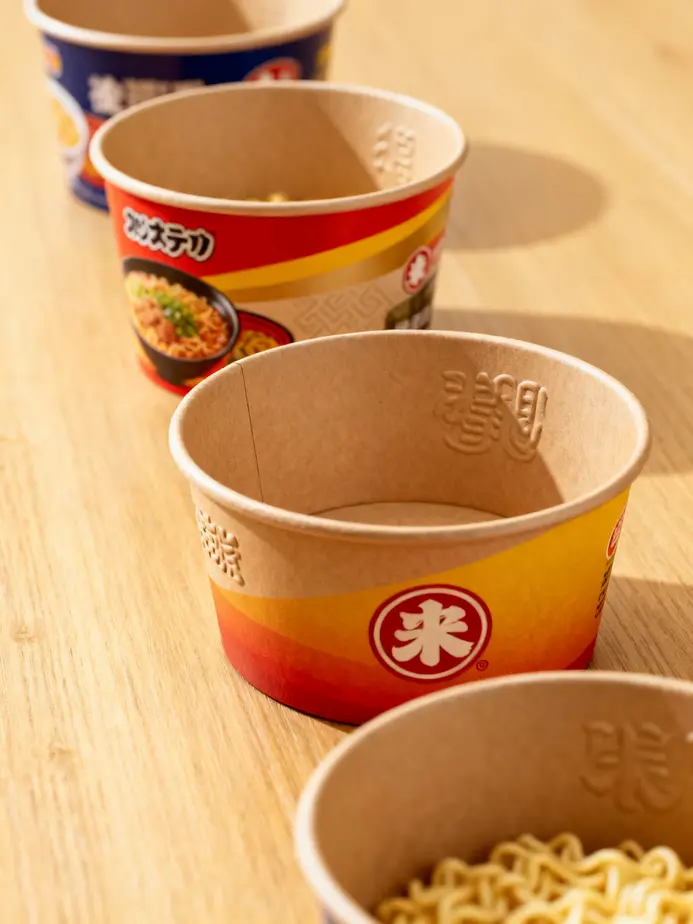
Further enhancing usability are double-layer paper structures found in larger noodle cups, designed specifically for temperatures that demand superior insulation. These designs create air pockets, acting as thermal barriers that maintain temperature stability for instant noodles and other hot dishes while simultaneously minimizing heat transfer to the user’s hands.
Customization options, such as UV printing and innovative paper lids, cater to restaurant branding while harmonizing with environmental concerns. These branding techniques allow venues to stand out without reverting to traditional plastic packaging. Customizable designs in a variety of sizes support a broad range of foodservice needs, aligning with the principles of a circular economy by maximizing resource efficiency and minimizing waste.
One compelling alternative within the ecosystem of paper ramen bowls is the utilization of bagasse, or sugarcane fiber, which offers robust, grease-resistant characteristics. Bagasse bowls are fully compostable and free from harmful per- and polyfluoroalkyl substances (PFAS). Their compliance with standards such as EN 13432 and Biodegradable Products Institute (BPI) certification ensures that they decompose effectively in industrial composting environments, transforming once-wasted materials into nutrient-rich compost.
Another emerging trend is the development of PLA-lined clear bowls that lend themselves beautifully to the presentation of cold and warm noodle dishes. These bowls, made from renewable plant sugars, are not only visually appealing but also contribute to environmental sustainability goals with their ability to compost in just 2-4 months under the right conditions.
As the demand for greener solutions accelerates, the performance characteristics of these innovative paper bowls remain impressive. Features like no-leak seams enhance the reliability necessary for takeout situations, providing confidence to both consumers and foodservice providers. The balance of function and sustainability in these products reflects a larger movement within the industry to address food waste, resource management, and ecological preservation.
Organizations like Eco-Products and Vanguard are driving forces in the movement toward enhanced foodservice efficiency while maintaining high sustainability standards. However, challenges do persist, particularly concerning the limited grease resistance of certain PFAS-free variants which may alter performance compared to traditional options. Operational testing is vital to ensure that these sustainable solutions meet the rigorous demands of the food service industry without compromise.
In summary, the continuous evolution of paper ramen bowl design underscores a significant shift toward responsible and sustainable food packaging practices. These advancements illustrate a commitment not just to consumer needs but also to global sustainability goals. By embracing innovative materials and design features, the industry is not only redefining convenience and safety but also championing a cleaner, greener future for foodservice packaging, making paper ramen bowls not just a functional choice but a conscientious one. The future looks promising, with paper offerings poised to reshape the packaging landscape fundamentally.
For further exploration of customizable paper options tailored for your food service needs, check out the various designs available at cofe-cup.net.
2. Pioneering Functional Design: Elevating Paper Ramen Bowls for Environmental Sustainability
The design of paper ramen bowls has seen remarkable innovations that not only cater to practical user needs but also address the pressing environmental challenges faced in the food packaging industry. Central to the evolution of these containers is a dual focus: enhancing functionality while minimizing ecological impact. This subchapter delves into these pioneering functional designs, highlighting key innovations such as double-layer structures and eco-friendly coatings, which significantly enhance user experience while fostering sustainability.
At the heart of the most recent advancements in paper ramen bowls is the double-layer structure incorporated into their design. This innovative approach allows for effective thermal insulation, leveraging air pockets trapped between two layers of paper. Such insulation is vital for maintaining the desired temperature of hot noodle soups, ensuring that they remain enjoyable for longer periods without the risk of container degradation or catastrophic leaks. By effectively keeping ramen hot, the double-layer bowls extend the user’s dining experience, making them ideal for takeaway and foodservice contexts. These bowls, commonly sized between 20-24 ounces and approximately 90 mm in diameter, represent a significant leap from traditional single-wall designs which often falter in this aspect, leaving diners at risk of burns or enjoying cold meals due to rapid heat loss.
In addition to thermal capacity, the use of eco-friendly coatings on the paper is a critical innovation. These coatings provide an anti-oil barrier that enhances leak resistance—a key consideration for noodle dishes that often feature oily broths. This design feature diminishes the potential for spills, which not only enhances the customer experience but also reduces cleanup and waste. Importantly, these coatings are crafted from sustainable materials that align with the growing consumer demand for environmentally responsible options. The synergy of usability and eco-friendliness culminates in a product that caters to the environmentally conscious consumer while also meeting the expectations of traditional foodservice.
To further augment functionality, modern paper ramen bowls can now incorporate complementary elements such as PP or paper lids and foil covers. These additions play a crucial role in sealing the bowls, preventing spills during transport, and maintaining warmth. The ability to customize these lids not only enhances the presentation of the dish but also provides branding opportunities for companies relying on these bowls for takeaway services. Such enhancements are not mere luxuries; they are becoming standard expectations among consumers, eager for a seamless and pleasant dining experience, whether at home, in a cafe, or at a public event.
As the market evolves, various environmental considerations are at the forefront of the design process. The materials utilized in fabricating these bowls are primarily biodegradable, crafted from renewable resources sourced from regions such as Hubei, China. This swift decomposition rate positions them as beneficial alternatives to traditional plastics, which present ongoing challenges in waste management and environmental pollution. With minimum order quantities for these biodegradable options set as low as 30,000 units, manufacturers can engage in scalable production without sacrificing their commitment to sustainability.
However, it is important to note that while the innovations in paper ramen bowls are impressive, the industry still faces limitations when it comes to the exploration of advanced materials. For example, alternatives like PLA linings—designed to improve biodegradability and performance—are not widely adopted in the production of these bowls. This gap suggests a potential area for future research and development that could significantly enhance the sustainability quotient of paper ramen bowls. Exploring such cutting-edge materials might yield further benefits, allowing manufacturers to provide fully compostable barriers while still delivering on indispensable functionality.
In contrasting these innovative paper bowls with alternative products, one cannot overlook the existence of options like the PVC microwave ramen bowl, which measures 22.5 x 19 x 8 cm. While this plastic model offers substantial temperature resilience and can maintain uniform heating, it ultimately conflicts with sustainability goals due to its non-biodegradable composition. Such comparisons underscore the importance of paper-based designs that not only innovate in functionality but also minimize environmental footprints, steering consumers toward more sustainable choices.
Despite advances, the landscape of functional design in paper ramen bowls invites further inquiry and innovation. While current trends center largely on improving double-wall technology and effective coatings, greater investment in R&D could unveil promising avenues for incorporating sophisticated biodegradable materials. As global consumption patterns shift toward an increasingly eco-conscious ethos, the demand for pasta bowls that seamlessly blend convenience with sustainability will only intensify.
In conclusion, the design innovations shaping the future of paper ramen bowls hold immense promise for transforming the industry. By prioritizing functionality through double-layer structures and eco-friendly coatings, while still embracing consumer preferences for leak resistance and branding opportunities, these products exemplify a significant step towards sustainable dining solutions. However, the evolution does not end here; there lies an imperative to further explore materials and designs that will lead to truly compostable options that do not compromise on the functionality that users have come to expect. Continuous advancement in this sector will be pivotal as we navigate the complexities of modern consumer preferences while striving for environmental responsibility.
For more on sustainable food packaging, see this resource.
Chapter 3: Harnessing Renewable Resources: The Eco-Friendly Foundations of Paper Ramen Bowls
1. Renewable Material Innovations: The Heart of Sustainable Paper Ramen Bowls
The transformation of food packaging into a more sustainable model is critical in combating environmental challenges, and this is where paper ramen bowls shine brightly. At the center of their environmental promise lies the use of renewable materials—elements that not only emphasize sustainability but also elevate the consumer experience through exquisite design while minimizing the ecological footprint. The introduction of materials sourced from responsibly managed forests, agricultural residues, and plant-based components exemplifies how modern packaging can harmonize quality with responsibility.
Paper ramen bowls are not just an innovative alternative to traditional plastic containers; they redefine the essence of disposable foodware. Crafted primarily from FSC-certified paper, these bowls ensure that every layer of the production cycle is traceable to sustainably managed sources. The Forest Stewardship Council (FSC) certification guarantees that the paper comes from forests that prioritize ecological balance, allowing natural ecosystems to thrive while meeting human needs. This integration reduces our reliance on fossil-based materials and underscores a commitment to fostering a circular economy, where waste is minimized, and materials are continuously repurposed.
In conjunction with FSC-certified paper, the incorporation of sugarcane bagasse and bamboo fibers further elevates the bowls’ eco-friendly profile. Sugarcane bagasse, the fibrous residue left after sugar extraction, is particularly noteworthy. It breaks down completely within 2 to 6 months due to its natural composition, promoting compostability without leaving a harsh imprint on the environment. Likewise, bamboo, being a fast-growing grass, serves as a renewable resource that reduces the over-exploitation of trees. The utilization of these materials enables bowls to be lightweight yet durable, preserving the high temperatures of freshly prepared ramen while resisting leaks and sogginess—a crucial feature for maintaining the dish’s authentic texture during delivery.
Additionally, the use of plant-based PLA (polylactic acid) coatings represents a significant leap forward in disposable packaging technology. PLA, derived from renewable starches like corn, provides a compostable barrier that can withstand the hot and oily nature of ramen. Conventional plastics, typically needing hundreds of years to break down, pale in comparison to PLA’s environmental efficacy. Its lower carbon emissions during production illustrate a proactive response to climate change challenges, demonstrating how thoughtful packaging can contribute to a more sustainable world.
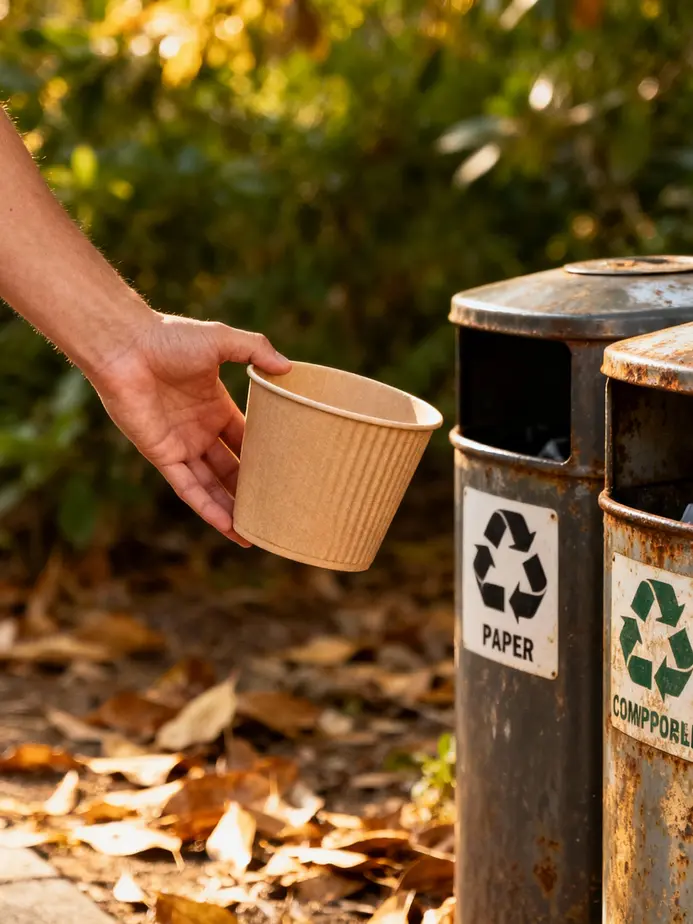
Beyond the immediate benefits of using renewable materials, incorporating these innovations facilitates critical sustainability advantages. First and foremost, the compostability and biodegradability of PLA-lined or aqueous-coated paper ramen bowls ensure that when disposed of correctly, they will decompose naturally, returning valuable nutrients to the soil. This characteristic aligns with broader waste management strategies aimed at diverting organic matter from landfills. For instance, facilities equipped for industrial composting can process these materials efficiently, thus reinforcing a closed-loop system.
Moreover, the switch from traditional polyethylene (PE) coatings, notorious for complicating recycling efforts, to plastic-free alternatives signifies a pivotal step in reducing plastic pollution. With the growing consumer demand for “plastic reduction” initiatives, businesses adopting these forward-thinking bowl designs not only enhance their brand image but also align themselves with environmental stewardship. This synergy between brand and consumer contributes to broader sustainability efforts and demonstrates a responsive approach to market trends.
As we explore the array of coating options available, each source has its unique sustainability attributes. The comparison outlines key benefits of using renewable versus fossil-based materials:
| Coating Type | Renewable Source | Sustainability Benefit | Suitability for Ramen |
|————————|———————–|—————————————–|—————————————–|
| PLA | Plant starches | Compostable; low carbon emissions | Hot soups, oils; temperature-resistant up to 212°F |
| Aqueous Barrier | Water-based, plastic-free | Fully recyclable/repulpable | Hot/cold meals; grease-resistant |
| PE (Traditional) | Fossil-based | Low recyclability; being phased out | Reliable but less sustainable |
This careful consideration of materials not only enhances performance but reinforces the growing commitment to eco-friendly practices. Businesses that adopt these sustainable packaging solutions emerge as leaders in the market, often participating in green procurement initiatives and making contributions to global sustainability efforts, such as carbon offset programs. Some brands even donate a portion of their profits towards environmental conservation efforts, amplifying the positive impact of their packaging choices.
Despite their many benefits, challenges remain in the widespread adoption of renewable paper ramen bowls, particularly access to industrial composting facilities that can process materials effectively. While home composting is beneficial, it often lacks the efficiency required to break down materials swiftly, putting a damper on the positive environmental effects these items could have in regular consumer use. However, advancements in composting technologies hold promise for greater accessibility in the future, easing concerns around disposal.
In conclusion, the heart of sustainable paper ramen bowls resonates with the innovations rooted in renewable materials. The integration of FSC-certified paper, agricultural residues, and plant-based coatings encapsulates a holistic view of sustainability that enriches both the environment and the dining experience. By embracing these alternatives, consumers and businesses alike can enjoy the culinary delight of ramen while contributing to a healthier planet—showing that good food and responsible practices can coexist beautifully. As the demand for localized, sustainable food suffices, paper ramen bowls will continue to serve as a testament to the power of eco-friendly design and responsible resource management. Further commitment to sustainability in food packaging is essential to reducing carbon footprints, fostering a greener future for all.
2. Compostable Innovations and Plastic Reduction in Paper Ramen Bowls
The shift towards more sustainable food packaging solutions highlights the significant role that paper ramen bowls play in environmental consciousness. One of the most compelling sustainability features of these bowls is their compostability, combined with a marked reduction in plastic usage. This dual benefit addresses critical environmental issues exacerbated by traditional food packaging, which often relies on petroleum-based plastics that are non-biodegradable and contribute to long-lasting landfill waste.
Material Composition
Paper ramen bowls are typically crafted from materials such as FSC-certified paper, kraft paper, and renewable fibers like sugarcane bagasse and bamboo. These materials are harvested from responsibly managed sources, ensuring a reduced carbon footprint in the production cycle. By relying on plant-based sources instead of petroleum-based chemicals, the manufacturing process is both efficient and eco-friendly. This conscious selection of materials aligns with growing consumer expectations for sustainable practices in foodservice and packaging supplies.
Compostability
One of the standout features of these bowls is their compostability, particularly those lined with PLA (plant-based polylactic acid) or aqueous coatings. Unlike traditional polyethylene (PE) coatings that inhibit biodegradation and complicate recycling, PLA linings break down naturally in industrial composting facilities within mere months. The biological microbes in these environments work effectively to decompose the organic matter, diverting waste from landfills and contributing to a circular economy where waste is minimized and resources are reclaimed. This approach reflects a broader commitment within the foodservice industry to align with green initiatives and cater to an increasingly eco-aware consumer base.
When consumers opt for PLA-lined or paper bowls with aqueous coatings, they contribute to sustainable diversion strategies that can alleviate the increasing burden of plastic waste on our planet. Besides their compostability, these bowls are fully repulpable post-consumption, meaning they can be transformed back into raw materials for new products. This directly counters the lifespan of PE-coated bowls, which often require complex separation processes for effective recycling and typically end up in landfills.
Plastic Reduction
The focus on plastic reduction is another significant benefit of utilizing paper ramen bowls. By substituting traditional, petroleum-based linings with bio-based alternatives, these bowls actively minimize the use of harmful substances such as per- and polyfluoroalkyl substances (PFAS), often dubbed “forever chemicals” due to their persistence in the environment. The shift away from these hazardous chemicals is crucial for not only reducing our dependency on oil but also safeguarding public health and the environment.
These bio-based bowls maintain essential properties necessary for food service applications, including resistance to grease, moisture, and heat. Whether serving a piping hot bowl of ramen or other flavorful dishes, these containers withstand boiling temperatures without compromising their structural integrity. Thus, consumers can enjoy their meals in a packaging solution that supports both gourmet experiences and environmental viability.
The Role of Molded Fiber Bowls
Another innovative form of packaging is the molded fiber bowl, which enhances compostability by entirely omitting plastic linings. Primarily made from recycled paper or natural fibers, these bowls support environmental initiatives by preventing contamination of landfill systems due to food-soiled packaging. They offer a reliable alternative for consumers and businesses looking for products that are not only functional but also environmentally responsible, thereby supporting the larger green movement.
Certifications and Consumer Awareness
When considering the viability of paper ramen bowls, various sustainability certifications bolster their credibility. Certifications like BPI (Biodegradable Products Institute) and EN13432 confirm that the products meet stringent disposal criteria for compostability. Additionally, compliance with FDA standards ensures that they are safe for food contact, making them an excellent choice for takeout scenarios that prioritize health and safety. The language of certifications resonates well with consumers who increasingly demand transparency regarding the environmental impact of their purchases, correlating with a growing preference for eco-friendly disposables.
Adapting to Consumer Demand
The alliance between sustainability and consumer choice shapes the current landscape of food packaging. As communities become more committed to mitigating plastic pollution, the demand for environmentally friendly alternatives rises. Selecting paper ramen bowls that are PLA-lined or molded fiber is particularly optimal in regions with promising composting infrastructure. While traditional options might be favored initially due to lower costs, businesses evaluate the long-term benefits of adopting and promoting sustainable packaging. This transition helps them align with current consumer demands and secure brand loyalty, especially among eco-conscious diners.
In conclusion, the evolution of paper ramen bowls embodies a progressive shift in packaging strategies that address urgent environmental concerns while enhancing the dining experience. By prioritizing compostable materials and consciously reducing plastic usage, businesses contribute meaningfully to sustainability, helping to cultivate a more responsible foodservice landscape. As the call for eco-friendly practices grows louder, paper ramen bowls stand as a testament to a future where convenience does not sacrifice ecological stewardship.
For more information on the types of eco-friendly bowls available, you can explore customized options that suit your environmental goals while delivering delightful culinary experiences.
Chapter 4: Navigating the Future: How Technology and Economics Shape the Landscape of Paper Ramen Bowls
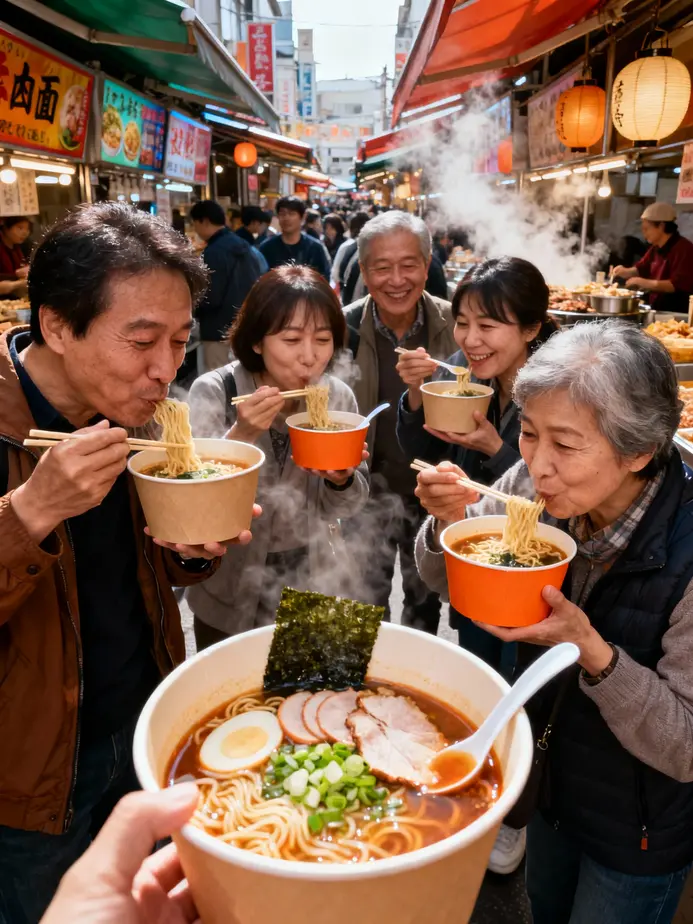
1. Innovations and Market Dynamics Driving Consumer Choices in Paper Ramen Bowls
The market for paper ramen bowls is undergoing a significant transformation, driven by technological advancements and shifts in economic conditions. As we explore this evolving landscape, it’s evident that both innovation and cost considerations have a profound impact on consumer preferences and business strategies within the foodservice sector.
In recent years, the disposable foodservice packaging market—including paper ramen bowls—has been projected to grow at an annual rate of 3.8%, reaching a remarkable estimated value of $33.2 billion by 2027. This growth trajectory is largely fueled by an increasing emphasis on sustainability regulations and consumer demand for eco-friendly alternatives. As environmental concerns rise, businesses are responding by prioritizing packaging solutions that minimize waste and environmental impact. Consumers increasingly prefer products that reflect their values, pushing companies to innovate in packaging while ensuring that they meet regulatory standards aimed at reducing plastic waste.
One of the key technological influences reshaping the market is the integration of QR code technology on product packaging. These codes not only elevate the consumer experience by providing easy access to nutritional information and enhanced product transparency but also help businesses create a strong branding narrative. By connecting the physical product to digital platforms, manufacturers have the opportunity to engage customers in meaningful ways, promoting loyalty programs or sharing recipe ideas for ramen dishes. This dual approach not only elevates the consumer experience but also provides valuable insights into purchasing behaviors and preferences, allowing companies to adapt their offerings accordingly.
Additionally, the advent of durable molded fiber materials has revolutionized the production of paper bowls, enabling manufacturers to offer products that maintain food quality during transport. This technology is particularly significant for ramen—a dish known for its rich broths and hearty ingredients. Molded fiber, derived from sustainable sources like sugarcane and bamboo, is engineered to be both grease-resistant and heat-tolerant. As these materials become more widely adopted, it remedies a key consumer concern regarding the integrity of hot noodle soups, ensuring that the culinary experience remains uncompromised even in takeout scenarios.
Economic influences are also pivotal in shaping consumer preferences towards more cost-effective, compostable alternatives. Recent policies, such as the EU’s Packaging and Packaging Waste Regulation (PPWR), scheduled for enforcement by August 2026, mandate recyclability and compostability in packaging. As these regulations come into play, consumers and businesses alike are motivated to gravitate towards sustainable options, seeking out products that not only meet everyday needs but also contribute to environmental goals. This regulatory backdrop reinforces a growing trend for sustainable takeaway containers, one that is predicted to flourish in the coming years as businesses initiate reusable container programs and enhance their commitment to reducing packaging waste.
When discussing consumer preferences, it’s essential to recognize the shift towards sustainable packaging solutions, particularly evident in the takeaway food sector. The rise of food delivery services during and post-pandemic has heightened the focus on environmental impacts linked to food packaging. Studies indicate that consumers show a pronounced preference for environmentally friendly options, with potential for increased brand loyalty among eateries that prioritize sustainability in their packaging choices. As a result, foodservice operators adopting sustainable packaging, such as molded fiber ramen bowls, often find that their efforts resonate well with eco-conscious consumers. These consumers prefer nutritious, carefully presented bowl-based meals, which can further bolster their loyalty to dining establishments that align with their values.
Moreover, as trends in ramen bowl packaging evolve, they reflect broader innovations found in other food items such as burritos and salads. These developments include design features that prevent sogginess, a major concern for transporting soups. Businesses are keenly aware that packaging design plays a significant role in maintaining food quality and safeguarding customer experiences. In doing so, they contribute to consumer satisfaction and retention by ensuring that meals arrive as intended.
Technological integration extends beyond QR codes, with emerging trends like AI-driven personalization enriching packaging strategies. Businesses are beginning to utilize data analytics to customize packaging designs, allowing for tailored experiences that cater to individual consumer preferences. This trend not only enhances brand interaction but also significantly elevates the consumer journey, aligning product offerings closely with customer desires.
However, an ongoing tension exists between economic realities and the pressing need for sustainable practices. As jurisdictions enforce extended producer responsibility (EPR) policies and various bans on certain types of plastics, companies must remain mindful of their manufacturing and sourcing processes. The necessity for environmentally sound practices can often lead to elevated production costs, which may deter businesses from fully embracing sustainable packaging solutions. Consequently, manufacturers are challenged to balance affordability with compliance, ensuring they meet consumer expectations while maintaining financial viability. This balancing act will shape innovation and marketplace dynamics in the coming years.
To conclude, the intersection of technological advancements and economic factors places paper ramen bowls in a promising position within the foodservice industry. Innovations in materials and packaging technologies, combined with a profound shift in consumer preferences towards eco-friendliness, are both driving growth and reshaping how food is delivered. As establishments seek to promote sustainability while maintaining functionality, it is evident that the role of packaging will continue its evolution as a practical necessity and an essential marketing tool. From enhancing consumer experience to encouraging loyalty among eco-conscious patrons, the future of paper ramen bowls looks bright, showcasing a harmonious balance between convenience, sustainability, and technology in the ever-expanding food industry. For more insights into sustainable packaging systems for food items, consider checking out resources on packaging innovations and their implementations in modern food services.
2. Navigating Sustainability and Localization in Consumer Preferences for Paper Ramen Bowls
As the market for disposable food containers continues to evolve, the demand for paper ramen bowls is being shaped by various geopolitical and societal factors. These influences are bringing sustainability to the forefront of consumer preferences, compelling businesses to adapt their offerings to meet changing expectations. This subchapter delves into how ecological and regulatory pressures, along with shifts in culinary trends, are steering the market landscape for paper ramen bowls toward a more sustainable future.
Sustainability Regulations and Market Dynamics
At the heart of the surge in paper ramen bowl adoption lies a robust regulatory framework aimed at reducing plastic waste. For instance, the impending European Union’s Packaging and Packaging Waste Regulation (PPWR), set to take effect in 2026, emphasizes recyclability and compostability, thereby increasing pressure on global manufacturers to pivot towards paper solutions. Such mandates are not only shifting the market within Europe but also resonate in other regions such as the United States, where state-specific Extended Producer Responsibility (EPR) programs compel local businesses to reevaluate their packaging strategies.
These legislative changes have highlighted a growing consensus on the need for environmentally responsible practices, thus boosting the competitiveness of paper ramen bowls in the marketplace. With some states even contemplating bans on polystyrene, there is a clear trend toward embracing paper alternatives. Interestingly, these paper options can incrementally replace foam containers, which face stringent regulations amid consumer backlash against single-use plastics.
Culinary Inspirations and Changing Consumer Preferences
The culinary world is also witnessing significant shifts, notably through the increasing fusion of Asian flavors in mainstream food practices. With ramen emerging as a popular dish, the use of paper bowls aligns tightly with consumer values that now favor sustainable packaging. Contemporary diners are becoming more discerning about their food experience—not only do they seek out quality ingredients, but they are also attuned to eco-conscious practices within foodservice. The incorporation of vibrant and attractive packaging enhances the dining experience while communicating a restaurant’s commitment to sustainability.
This trend facilitates the rise of customizable paper ramen bowls, which serve as a canvas for branding and creativity. As restaurants aim to differentiate themselves, offering unique visuals on takeaway packaging becomes essential. This customizing capability provides a direct avenue for restaurants to engage environmentally-conscious consumers, intertwining brand loyalty with responsible choices.
Within the context of growing culinary diversity, increased demand for durable and high-quality paper ramen bowls is evident. Customers favor designs that maintain the integrity of heat-sensitive dishes while offering visual appeal that complements the presentation of salads, broths, and sauces alike. As culinary influences evolve, paper-based solutions are proving adaptable to such variations, thereby expanding market opportunities and accessibility.
Geopolitical Influences and Supply Chain Resilience
Geopolitical factors are also influencing the preferences of consumers and foodservice operators alike. Fluctuations in international trade policies, which underscore the confluence of local sourcing and ethical procurement, lead consumers to seek out products that align with their values. The tumult of global supply chains has pushed many businesses to favor locally produced paper products over imported plastics, thus promoting the resiliency of domestic supply chains.
The dual pressure of geopolitical collaboration and disruption becomes increasingly relevant for businesses navigating the complexities of modern-day logistics. Local paper products, which harness renewable resources, present an eco-friendly alternative to traditional plastics while minimizing environmental footprints associated with shipping overseas. Consequently, as consumers become more aware of their purchasing power and its impact on the environment, they gravitate toward businesses that prioritize ethical sourcing and sustainability.
Building Loyalty Through Innovative Sustainability Strategies
The drive for sustainability is also giving rise to innovative consumer engagement strategies in the foodservice industry. Cafés and restaurants are increasingly adopting QR-coded, reusable paper bowls to incentivize loyalty and repeat business. This strategy not only promotes sustainability but also encourages customer interaction with the brand and its values. Clients are more inclined to patronize establishments that implement environmentally-friendly practices, knowing they contribute to broader social goals.
Moreover, the quality standards for disposable food containers are rising due to consumer expectations around food safety and integrity. High-performance paper ramen bowls designed to withstand temperature extremes and moisture become critical in retaining the quality of food items. For example, with ramen dishes often laden with rich, oily broths, having grease-resistant packaging ensures the visual appeal and flavor of the meal are preserved during transport.
Conclusion
In conclusion, the movement toward paper ramen bowls is rooted in a complex interplay of regulatory, societal, and geopolitical influences. As businesses adapt to changing sustainability regulations and consumer preferences, the demand for paper-based solutions is set to surge. This evolution reflects not merely a transition towards greener practices but also recognizes the growing importance of aligning business operations with the values of eco-conscious consumers. As the disposable foodservice market continues to expand, paper ramen bowls may not just be a trend; they could ultimately become the essential component reflecting a shared commitment to sustainability within the global food industry.
As the world increasingly favors sustainable choices, it is crucial for businesses to remain engaged with these trends, actively embracing the ecological narrative. Investing in innovations such as custom paper ramen bowls, urging consumers toward more environmentally friendly practices, and navigating the challenges of supply chain management will be paramount in driving market growth. This integration of sustainability into the culinary framework is creating a unique value proposition for the future of foodservice.
Final thoughts
The adoption of paper ramen bowls is proving to be a significant move for businesses aiming to enhance their service while being conscientious about the environment. With their excellent material properties, innovative designs, and substantial sustainability benefits, these bowls cater to today’s consumer demands for eco-friendly and convenient dining solutions. By staying ahead of market trends and understanding consumer preferences, your business can leverage these insights to boost customer satisfaction and brand loyalty. Emphasizing the use of versatile and stylish packaging can ultimately contribute to long-term success.
Choose our reliable disposable tableware and packaging solutions for your business. We offer quality products that meet safety standards, with fast delivery and flexible options. Partner with us today to elevate your service – contact our team now for a tailored quote!
About us
We specialize in manufacturing and supplying disposable tableware, packaging paper, and boxes. With years of experience, we prioritize safety, durability, and eco-friendly practices. Our goal is to provide businesses with trusted, cost-effective solutions backed by responsive customer support.