
Introduction
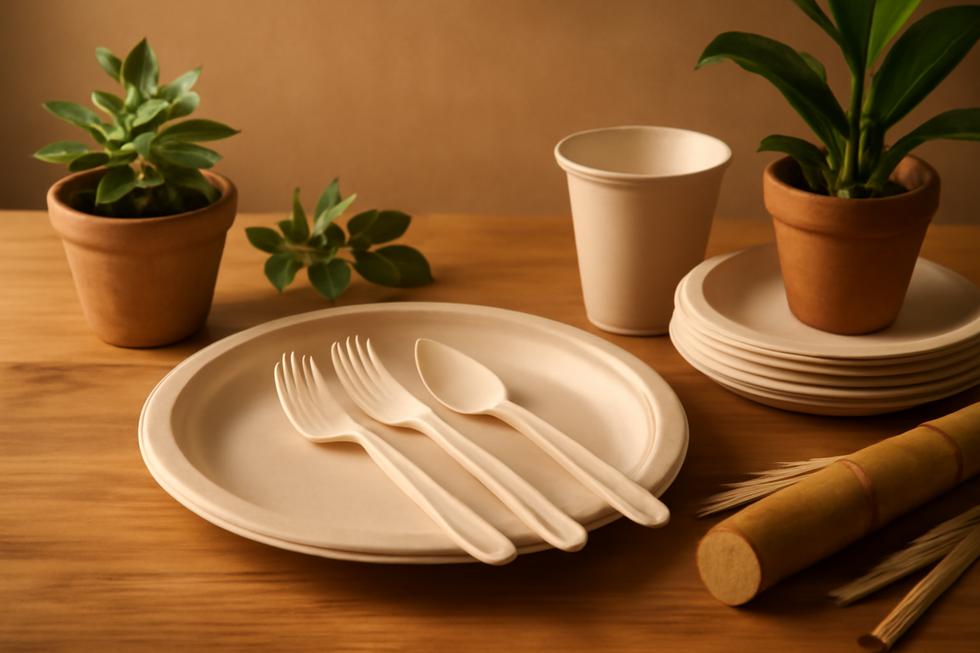
In an age where sustainability is paramount, sugarcane cutlery emerges as an innovative solution for businesses seeking eco-friendly alternatives to plastic. As consumers increasingly demand environmentally responsible options, adopting sugarcane cutlery not only meets this need but also positions your brand as a leader in sustainability. This article explores the key properties of sugarcane cutlery, its profound environmental impact, and the applications and market trends that highlight its growing relevance. Understanding these aspects will help business owners make informed decisions that align with modern consumer values and regulatory requirements.
Tables of Contents
Chapter 1: The Resilience of Eco-Friendly Alternatives: Strengths of Sugarcane Cutlery
- Mechanical Strength and Longevity of Sugarcane Cutlery
- Assessing the Environmental Benefits and Circular Economy of Sugarcane Cutlery
- Evaluating Sugarcane Cutlery Against Other Disposable Alternatives
Chapter 1: The Resilience of Eco-Friendly Alternatives: Strengths of Sugarcane Cutlery
1. Mechanical Strength and Longevity of Sugarcane Cutlery
Sugarcane cutlery, derived from bagasse, represents a remarkable advancement in the realm of sustainable disposable utensils. Offering an ideal solution for single-use food service, these utensils boast good mechanical properties that cater to a variety of dining experiences. The intrinsic strength of molded bagasse is evidenced through its ability to withstand heavy loads without sagging, especially in comparison to typical paper alternatives. This rigidity is essential for serving both hot and cold items, reaffirming its role as a dependable choice for catering and events.
One of the standout attributes of sugarcane cutlery is its heat resistance; it performs admirably in the face of hot food temperatures, outperforming many paper-based options. The manufacturing process often involves combining bagasse with biobinders or starches, which enhances both tensile strength and moisture resistance. While untreated bagasse can be susceptible to weakening when exposed to hot, oily foods, the right formulations can significantly reduce this vulnerability.
However, it is crucial to understand the trade-offs in mechanical performance. Despite its advantages, sugarcane cutlery is generally not designed for repeated use. Its mechanical properties—though superior to paper—do not match the durability of plastics or metals, which remain unmatched for strenuous applications like slicing or prolonged exposure to moisture. Notably, the quality of manufacturing plays a vital role. Factors such as fiber content, particle size, and molding pressures influence the final product’s strength and longevity.
When considering sugarcane cutlery for practical applications, especially in contexts where composting facilities are available, it emerges as a sustainable alternative that balances performance with eco-consciousness. As the drive toward sustainability grows, the durability of sugarcane cutlery proves integral in reducing environmental footprints while providing functional, reliable options for food service. For those seeking more sustainable packaging solutions, www.cofe-cup.net offers a variety of biodegradable cutlery and containers.
2. Assessing the Environmental Benefits and Circular Economy of Sugarcane Cutlery
Sugarcane cutlery, crafted from sugarcane bagasse—the fibrous waste after juice extraction—presents an eco-conscious solution to the pervasive problem of single-use plastics. As disposal infrastructure becomes more critical to sustainability efforts, understanding the nuances of sugarcane cutlery’s environmental impact is essential. On the surface, these utensils offer considerable benefits, utilizing agricultural byproducts that might otherwise be discarded or incinerated. The production process is notably less energy-intensive than that of conventional plastics, leading to a closed-loop model that fosters circular economy principles.
When assessing the greenhouse-gas profile, cultivating sugarcane contributes to carbon sequestration, thereby reducing the overall lifecycle emissions compared to petroleum-based alternatives. In optimal conditions, bagasse cutlery can biodegrade in industrial composting systems within 40 to 120 days, reinforcing its status as a viable green option. However, the advantages hinge on effective waste management—if these items are landfilled, their potential for environmental benefit diminishes significantly.
It’s noteworthy that some manufacturers may incorporate additives or coatings that complicate the composting process. Certifications like EN13432 help validate the ecological claims of specific products, guiding consumers towards truly sustainable options. While the single-use aspect of these utensils continues to raise discussions about long-term sustainability, their strength and heat resistance make them valuable in food service applications, especially where composting exists. Ultimately, diligent sourcing and end-of-life planning can enhance the benefits of sugarcane cutlery against a backdrop of growing environmental concerns, contributing meaningfully to waste reduction strategies in various sectors. As consumers and businesses become more discerning, the push for transparency and accountability in product sourcing will remain crucial in validating the ecological claims of sugarcane cutlery. By opting for these alternatives, we take a step towards reducing reliance on fossil fuels and embracing innovative materials that support a more sustainable future. For more on eco-friendly packaging options, check these selections.
3. Evaluating Sugarcane Cutlery Against Other Disposable Alternatives
The emergence of sugarcane cutlery, crafted primarily from sugarcane bagasse, highlights a significant shift in the quest for sustainable single-use dining solutions. When juxtaposed against traditional disposable options such as plastic, paper, and bioplastics, sugarcane cutlery often stands out due to its environmental attributes and performance characteristics.
In terms of compostability, sugarcane cutlery is a clear winner. It is completely compostable and biodegradable, utilizing an agricultural byproduct rather than depleting natural resources. This is particularly relevant when compared to cornstarch or polylactic acid (PLA) utensils, which frequently necessitate industrial composting facilities to break down effectively. This reliance on specific disposal infrastructures can pose challenges to their overall sustainability.
The resource efficiency of sugarcane cutlery is another advantage. Bagasse, the fibrous waste produced after extracting sugarcane juice, encourages a circular approach to resource utilization. In contrast, bioplastics often demand dedicated crops that can strain land and water resources, raising questions about their ecological footprint.
Performance-wise, sugarcane cutlery is robust yet lightweight, excelling in both heat and wet strength. It reliably manages hot, oily, or moist foods without significant compromise, unlike some paper or fiber alternatives that can falter. While reusable utensils may offer the best lifecycle benefits, single-use options like sugarcane cutlery provide practical convenience without the need for cleaning.
Despite a higher cost compared to conventional plastic, sugarcane cutlery strikes a balance between affordability and environmental impact, making it a compelling choice for eco-conscious consumers. To further substantiate this, potential buyers should evaluate their local composting capabilities, ensuring responsible disposal aligns with their sustainability goals. For bulk purchases of environmentally-friendly cutlery options, visit this resource.
Final thoughts
Adopting sugarcane cutlery offers significant benefits for businesses aiming to enhance their sustainability initiatives. Its key properties ensure durability and functionality, while its environmental impact supports a reduction in carbon footprints and waste in landfills. The rising market trends highlight the growing demand for sustainable dining options, making sugarcane cutlery not just a responsible choice, but a strategic business decision. As your brand steps into this eco-friendly frontier, consider embracing sugarcane cutlery to meet consumer expectations and contribute to a healthier planet.
Choose our reliable disposable tableware and packaging solutions for your business. We offer quality products that meet safety standards, with fast delivery and flexible options. Partner with us today to elevate your service – contact our team now for a tailored quote!
About us
We specialize in manufacturing and supplying disposable tableware, packaging paper, and boxes. With years of experience, we prioritize safety, durability, and eco-friendly practices. Our goal is to provide businesses with trusted, cost-effective solutions backed by responsive customer support.